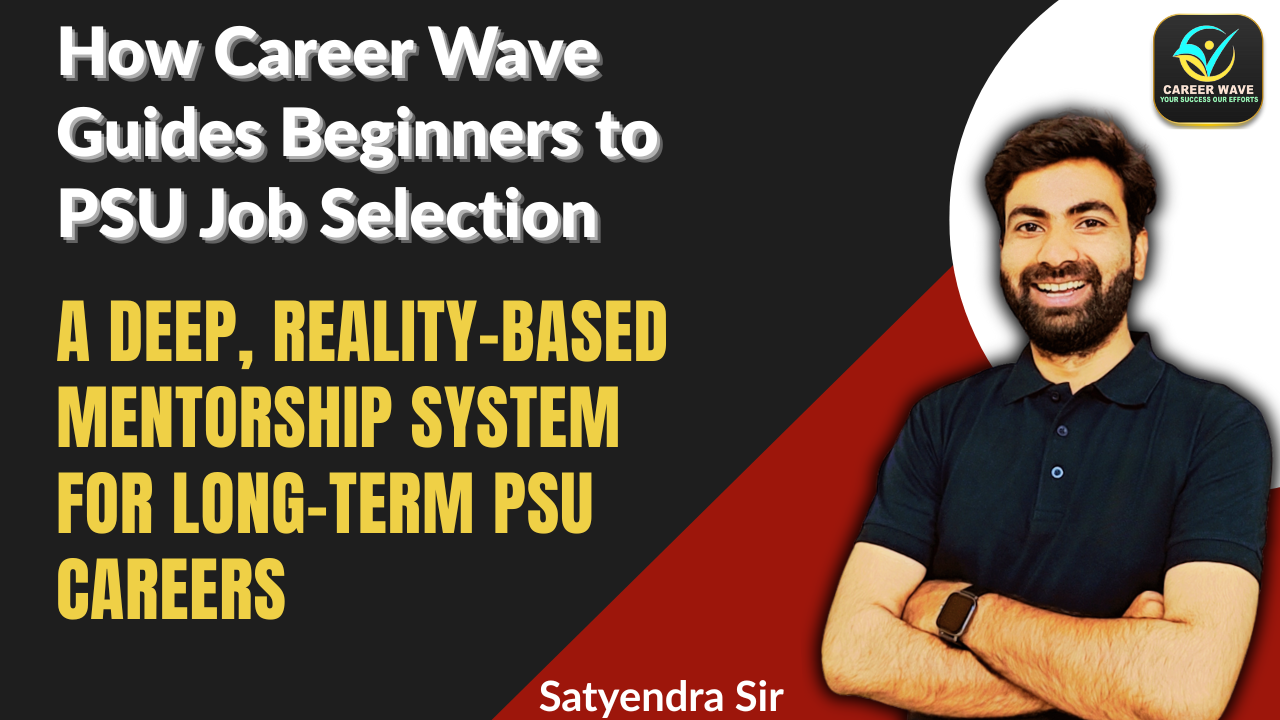
How Career Wave Guides Beginners to PSU Job Selection
A Deep, Reality-Based Mentorship System for Long-Term PSU Careers
Every year, lakhs of engineering graduates and science students aim for PSU jobs because they represent stability, respect, financial security, and meaningful national work.
Yet, the harsh reality is this:
Most beginners fail before preparation even begins.
Not due to lack of intelligence, but due to lack of direction.
At Career Wave, we work closely with beginners—fresh graduates, final-year students, working professionals, and repeat aspirants—and we see the same confusion repeatedly. This blog explains how Career Wave systematically converts beginners into confident, PSU-ready candidates using a structured, realistic, and mentor-driven approach.
1) The Beginner’s Real Problem: Confusion, Not Capability
Beginners usually enter PSU preparation with:
· No clarity about which PSU exam suits them
· No understanding of selection processes
· Fear of technical subjects
· Unrealistic expectations from shortcuts
· Misinformation from social media
Most are told:
· “Just prepare GATE”
· “PSUs are very tough”
· “You need 2–3 years minimum”
· “Only toppers get PSU jobs”
Career Wave’s first task is to remove this mental noise.
2) Career Wave’s First Rule: Career Clarity Before Syllabus
Career Wave does not start with books or classes.
We start by helping beginners answer:
· Which PSUs am I eligible for?
· GATE vs Non-GATE PSUs—what’s realistic for me?
· Core engineering role or operational/managerial role?
· Stress-intensive job or balanced lifestyle?
· Short-term entry or long-term growth priority?
Based on this clarity, beginners are guided toward:
· AAI Common Cadre
· GATE-based PSUs
· Technical-administrative PSU roles
· Parallel backup exams aligned with PSU prep
This prevents random exam hopping, the biggest silent killer of beginner attempts.
3) Understanding PSU Exams: The Truth Career Wave Teaches Early
Beginners often misunderstand PSU exams.
What PSU Exams Are NOT
· ❌ Not about completing thick textbooks
· ❌ Not about memorising formulas only
· ❌ Not about coaching dependency
· ❌ Not luck-based
What PSU Exams ACTUALLY Are
· ✅ Concept-application driven
· ✅ PYQ-pattern oriented
· ✅ Accuracy-focused
· ✅ Consistency-rewarding
Career Wave trains beginners to think:
“What is the examiner trying to test?”
not
“How much syllabus have I finished?”
This shift alone transforms preparation quality.
4) PYQs: The Core of Career Wave’s PSU Strategy
At Career Wave, PYQs are treated as:
· The actual syllabus
· The exam blueprint
· The decision-making tool
Beginners are trained to:
1. Study a concept
2. Solve topic-wise PYQs immediately
3. Identify repeating logic
4. Mark high-return topics
5. Ignore rarely tested areas
This teaches:
· What repeats
· How it repeats
· Why it repeats
Career Wave students don’t “revise PYQs”.
They build strategy from PYQs.
5) Rebuilding Technical Confidence From Zero
Many beginners say:
“I studied this in college, but I remember nothing.”
Career Wave understands this psychological barrier.
So instead of assuming prior knowledge:
· Concepts are rebuilt from basics
· Only exam-relevant depth is taught
· Numerical thinking is prioritised
· Over-theory is strictly avoided
The goal is technical confidence, not academic perfection.
6) Parallel Testing: No Waiting for Syllabus Completion
One dangerous beginner belief:
“I’ll give tests after finishing everything.”
Career Wave corrects this immediately.
Testing starts:
· Topic-wise
· Section-wise
· With time pressure
Test analysis focuses on:
· Conceptual errors
·Time management flaws
·Repeated mistake patterns
·Accuracy vs attempt balance
At Career Wave:
Analysis is more important than mock score.
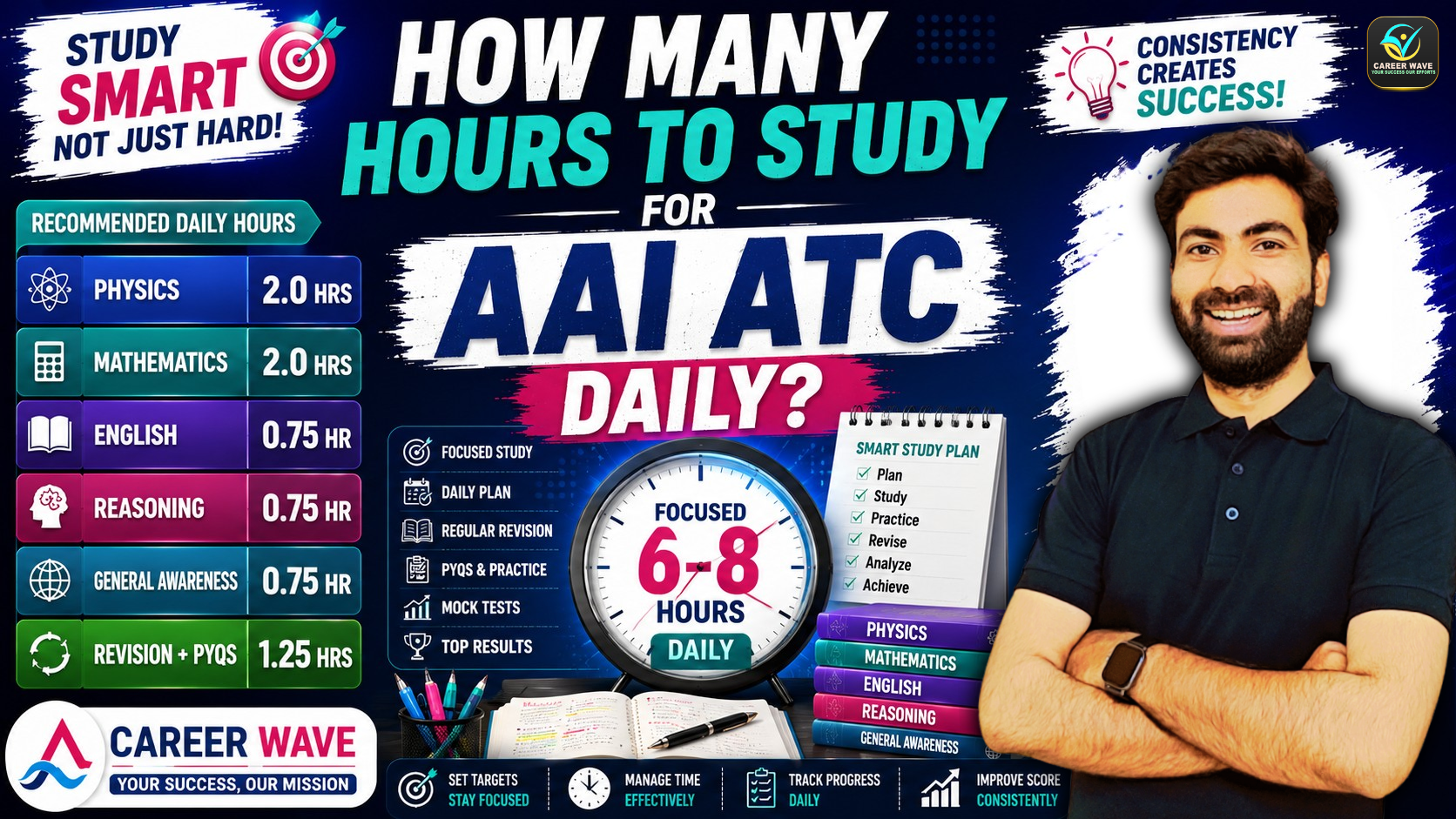
7) Structured Study Systems for Real Life
Career Wave does not promote unrealistic schedules.
Study plans are designed for:
· College students
· Working professionals
· Full-time aspirants
Focus areas:
· Daily achievable targets
· Weekly revision loops
· Monthly strategy correction
· Burnout prevention
This system ensures long-term sustainability, not short bursts of motivation.
8) Mentor-Driven Reality Checks (Career Wave’s Biggest Strength)
Career Wave mentors do not sugar-coat reality.
Beginners receive:
· Honest competition assessment
· Realistic timelines
· Clear performance feedback
· Strategy correction when needed
Students are taught:
· When to intensify preparation
· When to revise weak areas
· When to drop low-return efforts
· When patience is required
This human guidance is what most self-preparers lack.
9) Why Career Wave Beginners Outperform Others
Career Wave beginners:
· Start early with clarity
· Avoid syllabus panic
· Focus on repeatable patterns
· Build accuracy before speed
· Develop exam temperament
They don’t study more.
They study correctly.
10) PSU Selection Is a System, Not a Gamble
PSU exams do not reward:
· Random hard work
· Trend-chasing
· Book hoarding
· Motivation spikes
They reward:
· Structured thinking
· PYQ-based strategy
· Consistency
· Calm execution
Career Wave exists to build this system step by step.
11) Final Message to Beginners
If you are a beginner:
· You don’t need brilliance
· You don’t need shortcuts
· You don’t need to rush
You need:
· Clarity
· A proven system
· Mentor guidance
· Patience
Career Wave does not promise miracles.
It builds selection-ready candidates.
Start right.
Prepare smart.
Let the system work.