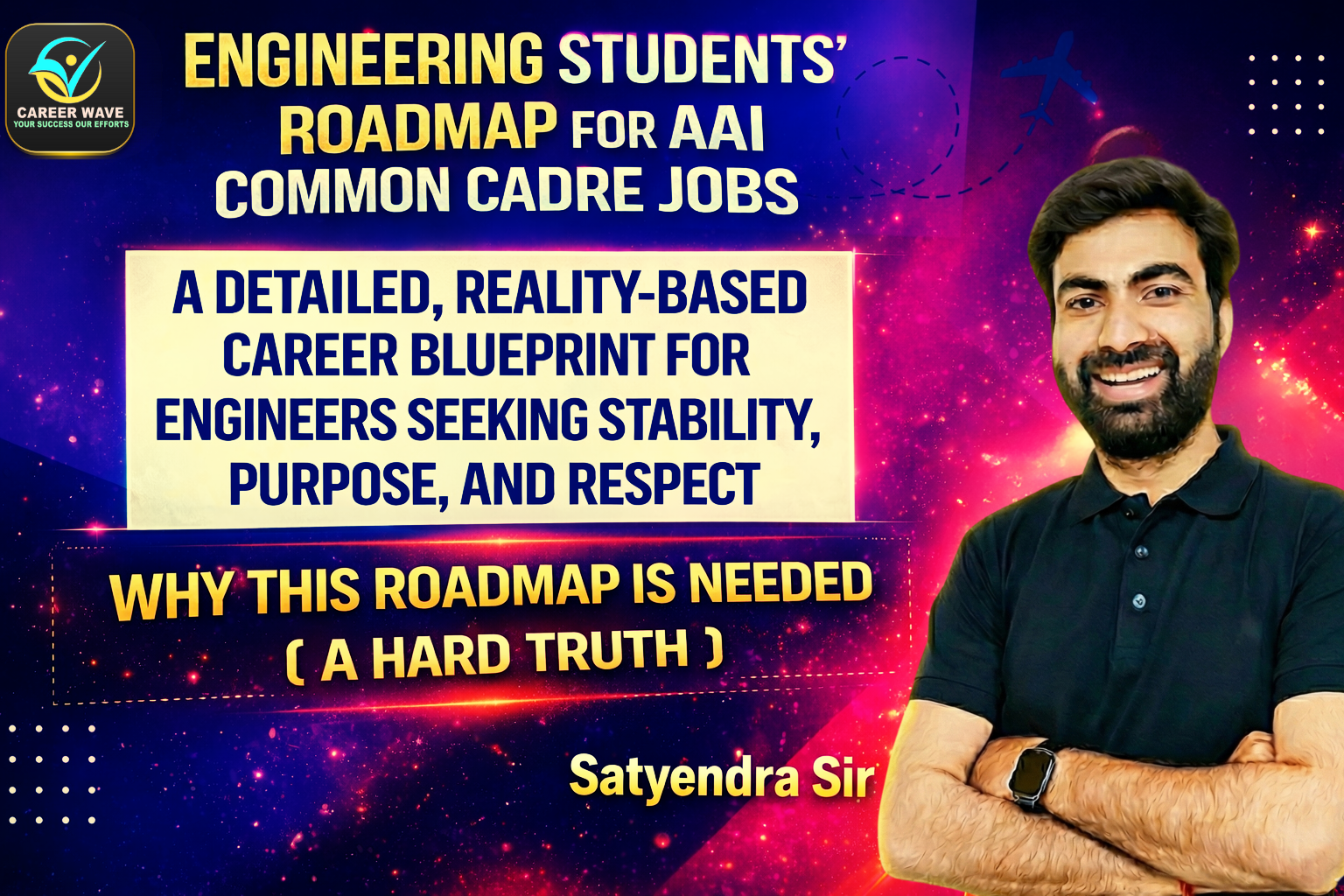
Engineering Students’ Roadmap for AAI Common Cadre Jobs
A Detailed, Reality-Based Career Blueprint for Engineers Seeking Stability, Purpose, and Respect
Why This Roadmap Is Needed (A Hard Truth)
Every year in India, lakhs of engineers graduate, but only a fraction feel confident about their career direction.
Many silently experience:
· Job insecurity in private companies
· Pressure to “learn coding” even when they don’t enjoy it
· Low pay in core engineering roles
· Frequent layoffs, bond traps, or toxic work culture
And yet, most are told:
“Government jobs are outdated”
“PSUs are slow”
“You’ll waste your engineering degree”
This roadmap exists to cut through that noise and show engineers a clear, dignified, technically meaningful alternative — AAI Common Cadre jobs.
1. What Exactly Are AAI Common Cadre Jobs?
AAI Common Cadre jobs are Group-B technical PSU posts under the Airports Authority of India (AAI).
Unlike ATC (which is operational and high-stress), Common Cadre roles:
· Support airport infrastructure
· Maintain critical systems
· Work behind the scenes to keep aviation running safely
Common Branch-Wise Posts
· Junior Executive (Electronics)
· Junior Executive (Electrical)
· Junior Executive (Civil)
· Junior Executive (Mechanical)
· Junior Executive (IT)
· Junior Executive (Architecture)
These are engineering jobs in the truest sense — not paperwork roles.
2. Human Side: Why Many Engineers Quietly Prefer AAI
Most engineers don’t openly admit this, but many want:
· Predictable life
· Mental peace
· Respectable designation
· Time for family
· Financial stability without constant fear
AAI Common Cadre offers:
· Fixed pay scale
· Central PSU status
· Long-term job security
· Professional work culture
· Pride of working in national aviation infrastructure
This is why many engineers who once chased startups or IT later say:
“I wish I had prepared earlier.”
3. Who Is the Right Fit? (Be Honest With Yourself)
You Are a Good Fit If:
· You like core technical subjects
· You prefer structured environments
· You value long-term stability
· You want meaningful engineering work
· You don’t enjoy sales or corporate politics
You May Struggle If:
· You want fast money only
· You dislike rules and protocols
· You get bored without frequent change
· You avoid technical responsibility
AAI is not exciting every day — but it is dependable every day.
4. Selection Process – No Hidden Games
AAI Common Cadre recruitment is known for being transparent.
Typical Stages:
1. Computer Based Test (CBT)
2. Document Verification
3. Medical Examination
🚫 No interview
🚫 No personality bias
🚫 No subjective marks
Your exam performance alone decides your future.
This is why engineers who prepare properly love PSU exams.
5. Exam Pattern – What Engineers Often Misjudge
Many engineering students assume:
“It’s just engineering subjects — I studied them already.”
This is a dangerous assumption.
Reality:
· Questions are concept-oriented
· PYQs follow specific patterns
· Depth matters more than syllabus completion
· Speed + accuracy decide rank
Branch-specific subjects carry major weightage.
General sections exist, but they cannot save weak technical scores.
Check Here –>Exam Patten & Syllabus
6. Detailed Preparation Roadmap (Engineer-Friendly)
Phase 1: Self-Assessment & Clarity (2 Weeks)
Before books:
· Identify your eligible branch
· Read last 2–3 notifications
· Analyze syllabus and weightage
· Decide AAI as a priority or backup
This phase prevents blind preparation.
Phase 2: Core Engineering Mastery (3–5 Months)
This is the backbone.
· Revise fundamental subjects
· Focus on numericals + logic
· Avoid over-theory
· Create short notes & formulas
Human reality:
This phase feels slow, but this is where confidence is built.
Phase 3: PYQ Integration (Parallel Process)
Do not postpone PYQs.
· Solve topic-wise PYQs
· Note repetition patterns
· Identify high-yield chapters
· Eliminate low-return topics
PYQs turn “study” into strategy.
Phase 4: Testing & Realistic Evaluation
Testing is not optional.
· Sectional tests → Full CBT mocks
· Time management practice
· Error analysis notebook
Engineers often improve massively after proper analysis.
7. Competition Reality (No Fear, Just Facts)
AAI Common Cadre attracts:
· Engineers from top colleges
· PSU-focused aspirants
· Repeat candidates with experience
But remember:
· Most aspirants prepare without system
· Many rely on luck or casual study
· Consistent candidates always stand out
AAI does not reward brilliance.
It rewards preparedness.
8. Life After Selection – The Part No One Explains
Professional Life
· Technical responsibility
· Structured hierarchy
· Defined growth
· Accountability
Personal Life
· Fixed working hours (mostly)
· Time for health & family
· Less financial anxiety
· Long-term planning possible
Many selected candidates say:
“Life became predictable — in a good way.”
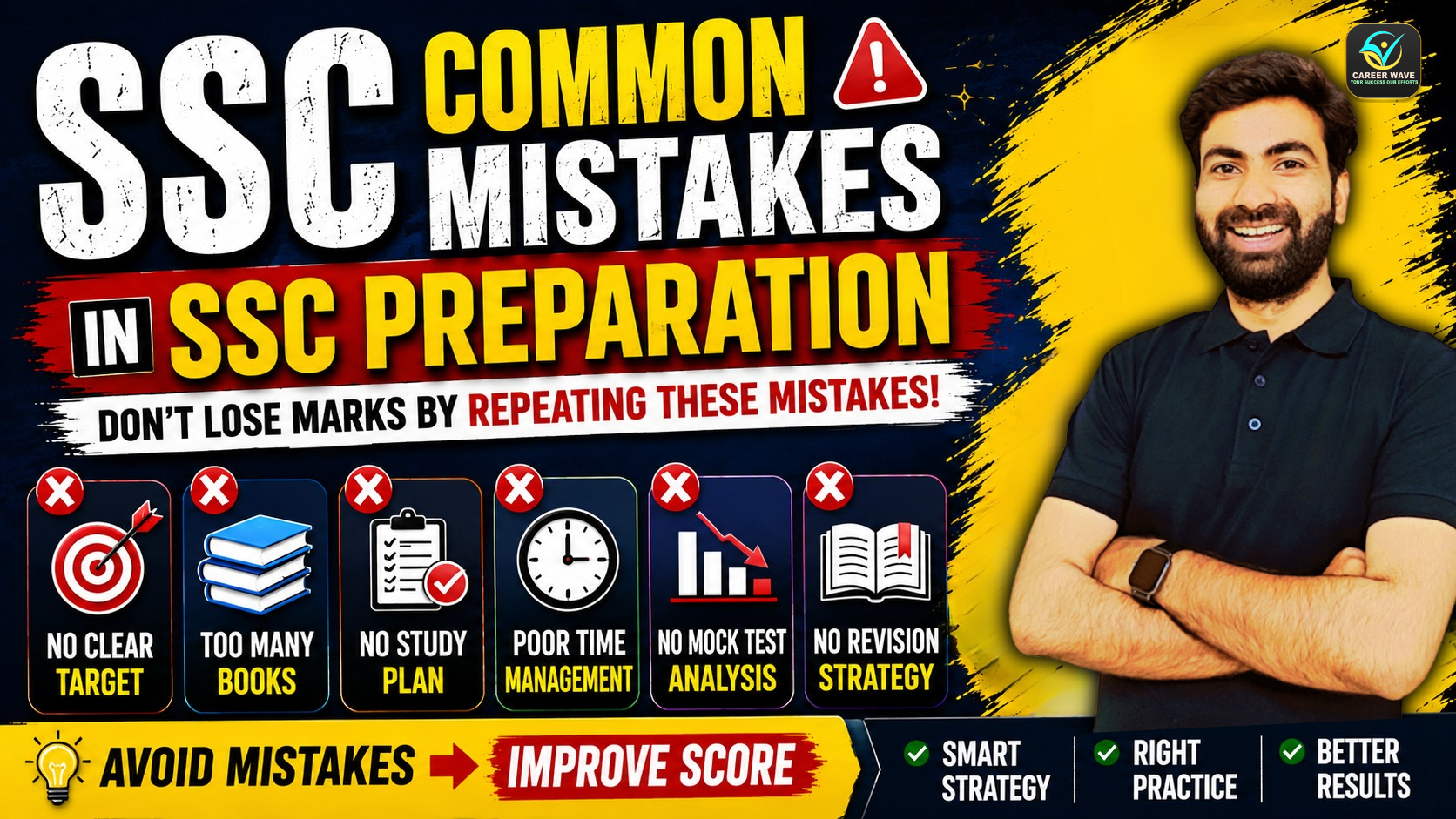
9. Common Engineering Student Mistakes (Seen Repeatedly)
· Waiting for notification
· Studying without PYQs
· Underestimating exam depth
· Preparing multiple exams without focus
· Ignoring test analysis
· Starting too late
These mistakes don’t look dangerous initially.
They cost years later.
10. Final Advice for Engineers at the Crossroads
If you are an engineer who:
· Feels lost
· Is tired of uncertainty
· Wants a stable, technical, respected career
Then AAI Common Cadre is not a shortcut — it is a solid path.
But only if you:
· Decide early
· Prepare seriously
· Follow a system
· Stay consistent
In PSU exams,
clarity beats talent,
discipline beats motivation,
and early start beats regret.
If you start now — calmly and correctly —
you give yourself something most engineers never get:
control over your future.